
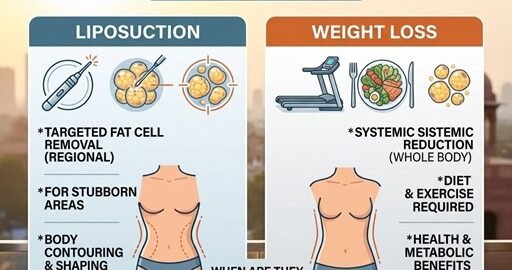
The desire for a toned, sculpted physique is common, but achieving it often involves navigating a confusing landscape of options. In my practice as a plastic surgeon, one of the most frequent misconceptions I encounter is the belief that liposuction is a substitute for weight loss. The reality is that these are two fundamentally different approaches with very specific, non-overlapping goals. While both can transform your silhouette, understanding which one aligns with your unique needs is critical for successful and safe results.
Understanding the Mechanisms: Weight Loss and Fat Cell Management
To appreciate the difference, we must first understand how our bodies store fat. When we gain weight, the size of individual fat cells increases. When we lose weight through diet and exercise, these cells shrink – they don’t disappear. The number of fat cells remains relatively constant, merely changing in volume based on our energy balance.
This is where liposuction creates a permanent physiological change. Liposuction, a surgical procedure, physically removes localized fat cells. The key distinction is in the outcome: weight loss is a global metabolic reduction, while liposuction is a regional, physical contouring.
Liposuction: The Sculpting Tool, Not the Scale Slimmer
Liposuction’s primary function is body contouring, not systemic weight reduction. It is a powerful procedure designed to target stubborn pockets of fat that persist despite proper nutrition and consistent exercise.
Key Aspects of Liposuction:
-
Permanent Cell Removal: The fat cells extracted are gone for good. If you maintain a stable weight, those specific treated areas will not regain fat in the same way.
-
Targeted Contouring: Liposuction excels at refining specific regions: the abdomen, love handles (flanks), thighs, neck (double chin), upper arms, and back. It is about improving the shape and proportion of these areas relative to the rest of the body.
-
No Metabolic Shift: Liposuction does not alter your body’s metabolism or insulin sensitivity. It will not reduce the systemic risks associated with obesity, such as heart disease or type 2 diabetes.
-
Ideal Candidate: The best candidate for liposuction in Noida is close to their ideal weight (often with a Body Mass Index, or BMI, under 30) but has specific fat deposits creating unwanted bulges that disrupt their smooth contour.
Weight Loss: Global Health and Volume Reduction
Weight loss, achieved through sustainable lifestyle changes (diet, exercise) or Bariatric surgery, is a systemic process with profound health benefits.
Key Aspects of Weight Loss:
-
Global Reduction: Weight loss occurs across the entire body in a patterns primarily determined by genetics. You cannot “spot reduce” fat in specific areas through diet or exercise.
-
Health and Metabolic Benefits: This approach significantly improves overall health, reducing systemic inflammation and metabolic risks. It is the necessary path for individuals with significant excess weight to achieve a healthier body composition.
-
Inconsistent Contouring: While weight loss reduces volume everywhere, it does not guarantee the removal of all stubborn pockets. In fact, significant weight loss can sometimes reveal a hidden stubborn area (like a saddlebag) that did not respond as much as other areas, leading to frustration.
-
Ideal Starting Point: For those with a high BMI (generally >30), sustainable weight loss is the critical first step to reduce overall fat volume and improve health before any aesthetic contouring can be considered.
The Problem of Mistaking the Goals
When patients approach liposuction expecting it to result in dramatic overall weight reduction (e.g., losing 20kg), they are set up for disappointment and potentially unsafe outcomes. Here’s why:
-
Safety Limits: There is a safe limit to how much fat can be removed in a single procedure. Exceeding this limit significantly increases the risk of complications. Liposuction is not a high-volume weight reduction tool.
-
Poor Aesthetic Results: If a person is significantly overweight, removing some fat will not produce a sculpted look. The results will be subtle at best and potentially irregular, as the remaining fat tissue may look disproportionate.
-
Unsustainable Outlook: If the fundamental lifestyle (diet and activity) isn’t corrected, any results achieved with liposuction (even small ones) will eventually be obscured by new weight gain, which will likely distribute to untreated areas first.
When Are They Both Used? A Synergistic Approach
This is not to say that liposuction has no place for someone who has gone through weight loss. In fact, they are often complementary stages of a transformation journey.
Many patients first achieve significant, global weight reduction through a dedicated weight loss program, moving from obesity to a healthier weight range. However, they are then left with residual, stubborn pockets of fat that resist all efforts. This is the ideal, safest, and most effective time to consider liposuction. In this context, liposuction serves as the finishing touch, sculpting the final silhouette that weight loss revealed but could not perfect.
Final Thoughts: Making an Informed Decision
Choosing between liposuction and weight loss—or deciding to pursue both sequentially—is a deeply personal decision that should be made in consultation with a board-certified plastic surgeon in Noida. My role is to help you understand your anatomy, assess your health, and clearly define your aesthetic goals.
If your primary motivation is improved metabolic health and substantial volume reduction across your whole body, then your focus must be on sustainable weight loss strategies.
If you are already relatively healthy and at or near a stable, healthy weight but are frustrated by a specific bulge that ruins your clothes’ fit or your self-image, liposuction may be the precise contouring tool you need to refine your appearance.
Neither approach is “better” than the other; they are simply designed for different tasks. When used correctly and in the appropriate sequence, they can work together to achieve results that neither could accomplish alone.