

Gynecomastia is a condition in which men develop enlarged breast tissue. It can affect one or both sides of the chest and may occur at different stages of life. Although it is usually not dangerous, it can sometimes cause physical discomfort, embarrassment, or a lack of confidence, particularly when wearing fitted clothing or participating in activities such as swimming or exercising.
The good news is that gynecomastia can often be treated effectively. Depending on the underlying cause and the amount of excess tissue, treatment may involve lifestyle changes, addressing an underlying medical condition, medication, or surgery.
For men considering a surgical solution, Gynecomastia Surgery in Noida can provide an option for removing excess glandular tissue, fat, or loose skin and creating a flatter, more masculine-looking chest.
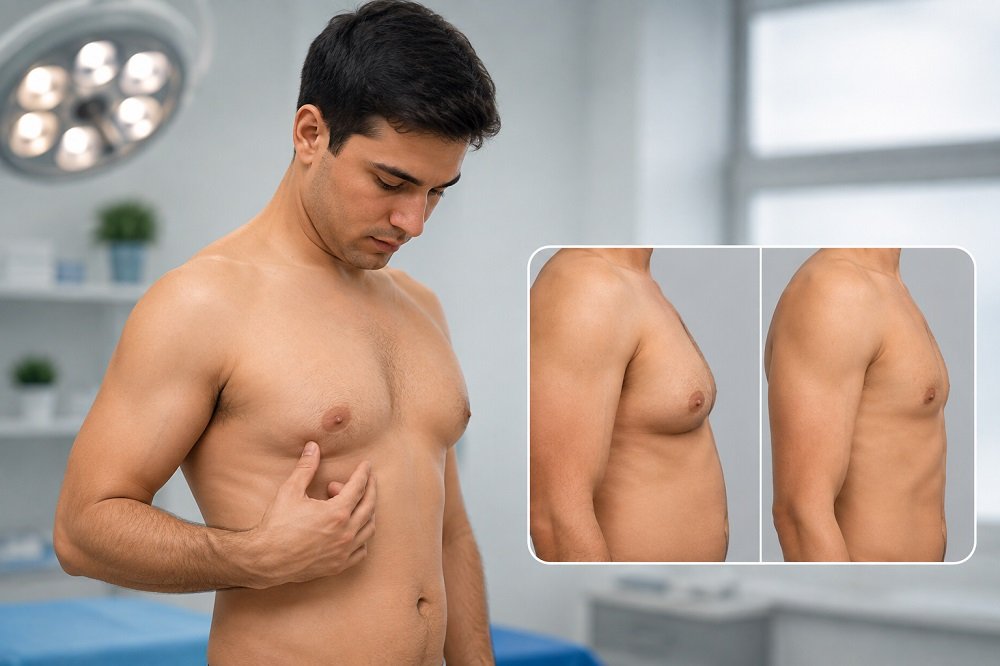
What Is Gynecomastia?
Gynecomastia refers to the enlargement of male breast tissue. It occurs when there is an imbalance between the hormones estrogen and testosterone. While estrogen is generally present in much smaller amounts in men, changes in the balance between these hormones can stimulate breast tissue growth.
Gynecomastia is different from simply having excess fat around the chest. Fat accumulation without significant glandular enlargement is sometimes referred to as pseudogynecomastia. A proper examination is therefore important before deciding on treatment.
The condition can develop during puberty, adulthood, or later in life. In some cases, it improves on its own, while persistent cases may require medical evaluation and treatment.
What Causes Gynecomastia?
There are several possible causes of enlarged male breast tissue. Common factors include:
1. Hormonal Changes
Hormonal fluctuations are one of the most common reasons for gynecomastia. Puberty, aging, and certain medical conditions can affect the balance between testosterone and estrogen.
2. Certain Medications
Some medications may contribute to breast tissue enlargement. These can include certain drugs used for treating hormonal conditions, cardiovascular problems, and other medical issues.
If you notice breast enlargement after starting a medication, do not stop taking it on your own. Speak with your doctor first.
3. Weight Gain
Gaining excess body weight can increase the amount of fat stored around the chest. In some people, this can make the chest appear enlarged and may occur alongside true gynecomastia.
4. Medical Conditions
Certain conditions involving the liver, kidneys, thyroid, or hormone-producing organs may contribute to hormonal changes associated with gynecomastia.
5. Alcohol and Substance Use
Excessive alcohol consumption and certain recreational substances may affect hormone levels and potentially contribute to breast enlargement.
6. Natural Changes With Age
Hormonal changes that occur with aging can sometimes contribute to gynecomastia. Men may also experience changes in body composition as they get older, which can influence chest appearance.
Because there are many possible causes, it is important to identify the reason behind the condition rather than assuming that surgery is automatically necessary.
When Should You Consider Gynecomastia Surgery?
Not every person with gynecomastia needs surgery. In some cases, the condition may improve naturally, particularly when it is related to temporary hormonal changes during puberty.
Surgery may be considered when enlarged breast tissue:
- Persists despite other treatment approaches
- Causes ongoing embarrassment or self-consciousness
- Creates physical discomfort or tenderness
- Does not respond adequately to weight management
- Affects clothing choices or everyday activities
- Has remained stable for an extended period
A consultation for Gynecomastia Surgery in Noida can help determine whether surgery is appropriate based on the individual’s chest structure, medical history, and goals.
How Is Gynecomastia Diagnosed?
Before recommending treatment, a surgeon or physician will generally perform a physical examination and review the patient’s medical history.
The evaluation may include questions about:
- When the breast enlargement began
- Whether it affects one or both sides
- Any pain or tenderness
- Current medications
- Weight changes
- Existing medical conditions
- Lifestyle and substance use
- Previous treatments
Depending on the findings, additional tests may sometimes be recommended to identify an underlying hormonal or medical cause.
This evaluation is important because treating the underlying cause may be more appropriate than proceeding directly to surgery.
How Does Gynecomastia Surgery Work?
The surgical approach depends on whether the chest enlargement is primarily caused by glandular tissue, excess fat, loose skin, or a combination of these factors.
Liposuction
When excess fatty tissue is a significant component, liposuction may be used to remove unwanted fat and improve the contour of the chest.
Glandular Tissue Removal
If firm glandular breast tissue is responsible for the enlargement, surgical excision may be required. This allows the surgeon to remove tissue that cannot be adequately treated through liposuction alone.
Combination Treatment
Some patients have both excess fat and glandular tissue. In such cases, liposuction and tissue excision may be combined to achieve a more balanced chest contour.
Skin Removal
In cases involving significant skin laxity, particularly after substantial weight loss, additional procedures may be needed to remove excess skin and create a smoother appearance.
The specific technique should be selected after an individual assessment rather than based on a standard approach.
Benefits of Gynecomastia Surgery
One of the main goals of surgery is to create a flatter and more proportionate chest. Depending on the patient’s condition and expectations, potential benefits can include:
- Reduction of excess breast tissue
- Improved chest contour
- Better body proportions
- Greater comfort when wearing fitted clothing
- Reduced self-consciousness
- Improved confidence during physical activities
- A more defined chest appearance
The emotional benefits can be important for some patients. However, surgery should be approached with realistic expectations. Results vary between individuals, and surgery cannot guarantee a particular level of confidence or satisfaction.
Is Gynecomastia Surgery Safe?
Like any surgical procedure, gynecomastia surgery has potential risks. These may include bleeding, infection, swelling, bruising, changes in sensation, scarring, asymmetry, contour irregularities, or the possibility of requiring additional treatment.
The risks depend on the surgical technique, the individual’s health, and other factors.
Choosing a qualified and experienced surgeon is an important part of the treatment process. If you are considering Gynecomastia Surgery in Noida, discuss the procedure, potential complications, anesthesia, recovery, and expected results thoroughly during your consultation.
What to Expect Before Surgery
Your surgeon will provide specific instructions before the procedure. You may need a medical evaluation or certain tests depending on your age, health, and medical history.
You should inform your surgeon about all medications, supplements, allergies, previous surgeries, and existing health conditions.
You may also be advised to:
- Maintain a healthy diet
- Avoid smoking and tobacco products
- Follow medication instructions carefully
- Arrange transportation after surgery
- Prepare a comfortable recovery area at home
- Arrange assistance if required during the initial recovery period
Do not stop any prescribed medication unless your doctor specifically advises you to do so.
Gynecomastia Surgery Recovery
Recovery varies depending on the surgical technique and the amount of tissue removed. Swelling, bruising, tightness, and mild discomfort are common during the early healing period.
Your surgeon may recommend wearing a compression garment to support the chest and help control swelling. You will also receive instructions regarding wound care, bathing, medications, physical activity, and follow-up appointments.
Light daily activities may gradually be resumed according to your surgeon’s advice, but strenuous exercise and heavy lifting may need to be avoided temporarily.
The chest may not look exactly as expected immediately after surgery because swelling can take time to settle. The final contour generally becomes clearer as healing progresses.
Following your surgeon’s postoperative instructions is essential for a smooth recovery.
When Can You Exercise After Surgery?
Exercise is an important consideration for many men undergoing gynecomastia treatment. However, returning to workouts too quickly can interfere with healing.
Walking and gentle movement are often encouraged as part of general recovery, but activities involving the chest, heavy lifting, or intense exercise should only be resumed when your surgeon says it is safe.
Your recovery timeline may differ from someone else’s, so it is better to follow individualized medical advice rather than a fixed schedule found online.
Can Gynecomastia Come Back After Surgery?
In many cases, surgical removal of excess glandular tissue provides a long-lasting improvement. However, changes in hormones, significant weight gain, certain medications, or other medical conditions can affect the chest again.
Maintaining a healthy lifestyle and addressing any underlying hormonal or medical issues can help support long-term results.
A consultation with the Best Plastic Surgeon in Noida can help you understand what factors may influence your individual outcome and how to maintain your results.
Choosing the Right Surgeon for Gynecomastia Treatment
Choosing the right surgeon is one of the most important decisions when considering gynecomastia surgery. Look beyond advertisements and focus on qualifications, relevant experience, patient safety, communication, and the suitability of the clinic or hospital environment.
During your consultation, consider asking:
- Am I a suitable candidate for surgery?
- What is causing my chest enlargement?
- Which surgical technique would be appropriate for me?
- Will liposuction, tissue removal, or both be required?
- Where will the incisions be placed?
- What kind of scars should I expect?
- How long will recovery take?
- When can I return to exercise?
- What are the possible complications?
- What results are realistically achievable?
A consultation with the Best Plastic Surgeon in Noida should give you an opportunity to ask these questions and understand the procedure without feeling pressured into making a quick decision.
Final Thoughts
Gynecomastia is a common concern that can affect men at different stages of life. Although it may sometimes improve without treatment, persistent enlargement can have an impact on comfort, clothing choices, confidence, and quality of life.
The right treatment depends on the underlying cause and the amount of glandular tissue, fat, and skin present. For suitable candidates, surgery can help create a flatter and more balanced chest.
If you are considering Gynecomastia Surgery in Noida, start with a proper medical evaluation and an open discussion about your goals and expectations. Understanding the procedure, potential risks, recovery process, and long-term considerations can help you make a confident and informed decision.